


logo-regular-white@2x
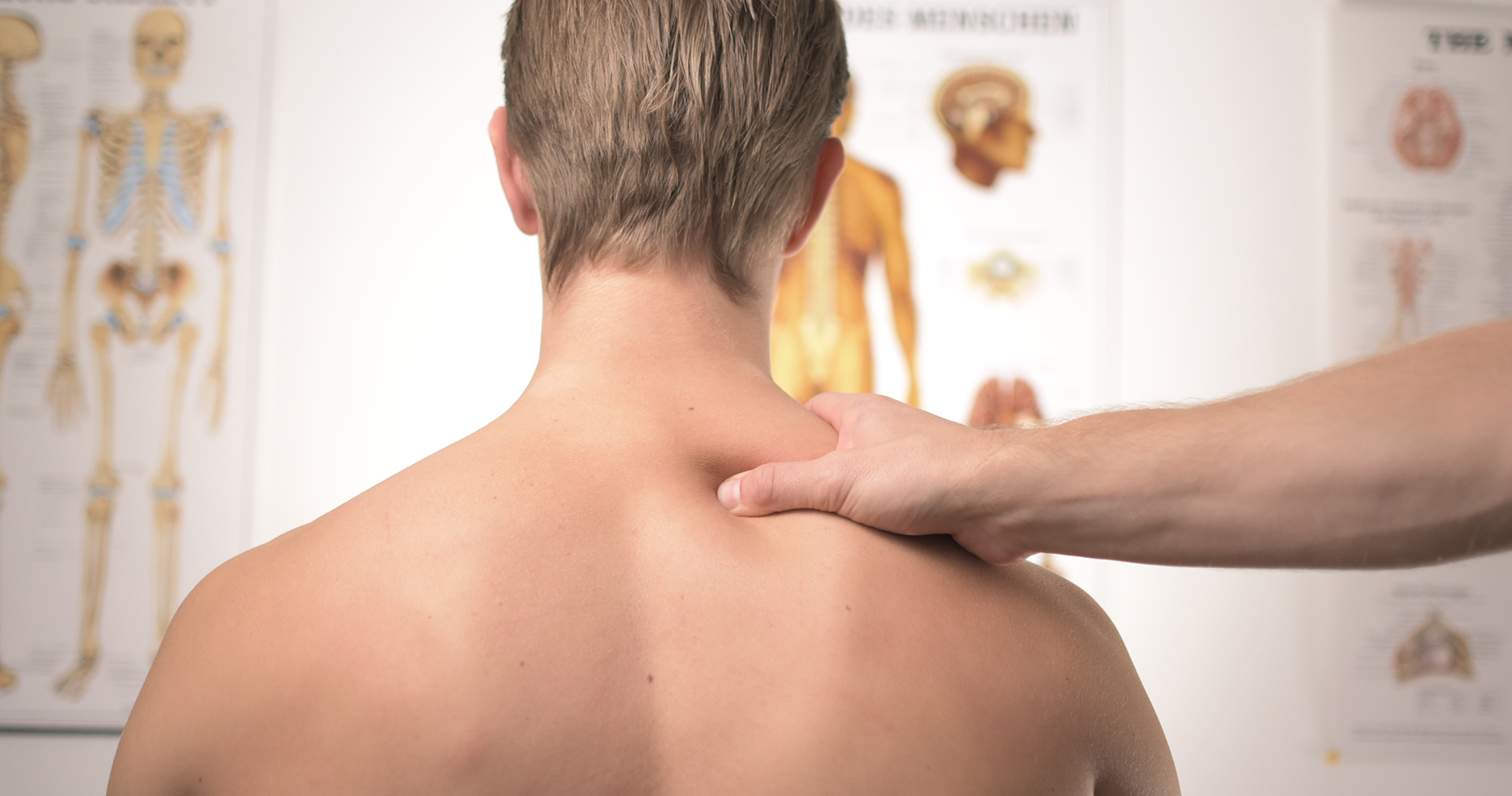
Back Spine Doctor - Image Large

PRP therapy

Home | Therapy | PRP Therapy
OTC Reception Normal - image

PRP therapy at OTC | REGENSBURG

Do you need an appointment for PRP therapy? OTC | REGENSBURG is a medical center for PRP / autologous blood therapy. This is a form of therapy for which platelet concentrate obtained from the body’s own blood is used. As a patient, you can receive PRP therapy as a self-pay service and have it billed through your private insurance.

At our facility, we offer short-notice appointments for privately insured patients, BG patients (work, commuting and school accidents) and self-pay patients.

PRP therapy can be effective for:
  • Achilles tendon pain
  • Heel spur
  • Muscle injuries
  • Joint wear and tear
  • Tennis/golfer’s elbow

Considering PRP therapy?

Schedule a consultation where we’ll review your options for PRP (autologous blood) therapy in detail. This ensures that diagnostics and treatment are tailored to your individual needs.

What is PRP therapy?

PRP is the abbreviation for “platlet-rich plasma”. Literally translated, this means platelet-rich blood plasmain German, the term (autologous) platelet concentrate is also used. This platelet concentrate can be used to regenerate various orthopaedic and trauma surgery problems in the musculoskeletal system, e.g. Achilles tendon pain (due to tendonitis, tendon degeneration and tendon fiber tears), heel spur inflammation (plantar fasciitis), muscle injuries (acute or chronic), joint wear and tear (osteoarthritis) or tennis and golfer’s elbow (epicondylitis humeri radialis/ulnaris).

How does autologous blood therapy work?

Platelets (thrombocytes) circulate in our blood. They carry growth and differentiation factors which play an important role in tissue healing and the inhibition of inflammation in our body. This platelet concentrate (PRP) is obtained from your own blood using a modern, very safe manufacturing process and injected into tissue or joints. This process is known as PRP therapy or autologous blood therapy and is carried out as part of our orthopaedic trauma surgery consultation without surgery or anesthesia. We would like to invite you to get to know autologous blood therapy Regensburg.

Is PRP therapy a recognized treatment?

PRP therapy has become an integral part of modern treatment for sports injuries and arthrosis. Especially in professional sports, PRP therapy has long been well established. Its effectiveness is internationally recognized. At OTC | REGENSBURG, PRP therapy has been performed for many years, and we have extensive experience with this innovative treatment approach.

Facts about autohaemotherapy

Person stretching by the Water in front of a waterfall - Image

What are the benefits of autologous blood therapy?

  • PRP is obtained from the patient’s own blood, reducing the risk of infection or allergic reactions.
  • PRP can help to promote the regeneration of tissue such as bone, tendons or cartilage and thus shorten the healing time.
  • The treatment is generally less invasive than other orthopaedic procedures such as surgery.

Hiking - Image

What are the disadvantages and risks of autologous blood therapy?

As with any medical treatment, PRP therapy carries certain risks, even though it is generally considered safe and well tolerated. Here are some possible risks associated with PRP therapy in orthopaedics:
  • Infections: Although the risk of infection is lower with PRP therapy than with invasive procedures such as surgery, infections can occur, especially if the injection site is not sterile.
  • Pain: PRP injections can cause short-term pain, especially if they are injected into sensitive areas such as joints or tendons.
  • Risk of bleeding: PRP therapy may involve a small risk of bleeding, for example if you are taking blood-thinning medication or have a coagulation disorder.
  • Allergic reactions: Although the risk of allergic reactions during PRP therapy is low, adverse reactions to the injected substance can still occur.

Mountaineer - Image

Our doctors explain the possible risks and look at your medical history individually to minimize complications.

Overall, PRP therapy is regarded as a relatively safe treatment method in orthopaedics.

OTC Reception - Image

Considering PRP therapy?

During a personal consultation, we discuss your options for PRP (autologous blood) therapy and coordinate diagnostics and treatment to best suit your needs.

For which orthopaedic problems is PRP therapy used?

For tendon problems, the blood platelet concentrate (PRP) is injected into and around the affected tendon injected. The exact localization can be determined by a prior MRI examination and during infiltration using our high-resolution ultrasound equipment. When injected, the blood platelets (thrombocytes) release growth and differentiation factors. These stimulate the body’s own natural regeneration of your torn and frayed tendons. The tendon tissue hardens under the influence of additional physiotherapy exercises and the pain should subside within six to twelve weeks. PRP therapy very often (but unfortunately not in all cases) avoids the need for surgery.
Even in injured muscle tissue, the platelet concentrate injected during PRP therapy stimulates the significantly faster healing of fresh muscle fiber tears. significantly faster. If the fastest possible recovery of athletic performance is an important issue for you, PRP therapy is the method of choice for you! In old, scarred muscle fiber tears, the blood platelets (thrombocytes) restart healing processes and in many cases enable athletes to return to their usual sport even after months of unsuccessful healing.
In osteoarthritic joints, i.e. with increased joint wear and tear inflammatory conditions are inhibited in the medium to long term by PRP therapy. This effectively reduces the pain in the osteoarthritic joint and also inhibits the rapid progression of osteoarthritis. However, it is not possible to reverse osteoarthritis with PRP therapy Regensburg.

How does PRP therapy work and how long does it take?

The duration of PRP therapy in orthopaedics depends on various factors, including the type and severity of the injury, the severity of the pain, the aim of the treatment and the number of injections to be administered. As a rule, a session of PRP therapy lasts about 30 to 45 minutes.

The treatment begins with a small amount of blood being taken, usually from your arm. The blood is then placed in a centrifuge to separate the platelet-rich plasma from the other components of the blood. The plasma is then drawn into a syringe and injected directly into the affected area. After this, only a short resting phase is recommended before PRP therapy Regensburg is initially completed.

In some cases, PRP therapy can consist of several sessions for injections that are administered at regular intervals over the course of several weeks or months. However, the exact duration and number of injections depends on the individual treatment and is determined by the treating doctor.

You should also be aware that the effect of PRP therapy is not immediate and it may take some time for the body to respond to the injections. You should therefore be patient and follow your doctor’s instructions carefully to achieve the best possible results – even if this can sometimes be difficult.

Is PRP therapy covered by health insurance?

PRP therapy is a private service. You can request reimbursement from your health insurance company (we will be happy to provide you with a cost estimate), but this is not always guaranteed. If the reimbursement is rejected, you can lodge an appeal with the Medical Review Board of the health insurance funds (MDK); your health insurance fund will provide you with the contact details. Statutory health insurance companies only rarely cover autohaemotherapy. Here too, it is best to find out directly from your health insurance company whether reimbursement is possible.

Conclusion: PRP therapy can be useful in these cases

Relieving pain and supporting the healing process for injuries are the two main aims of PRP therapy. Regensburg has a specialist center, OTC | REGENSBURG, where PRP injections have been used successfully as a therapy for years. We can therefore say from our own experience: if you suffer from osteoarthritis or a tendon disorder or have suffered a muscle injury, there is a good chance that the therapy with the platelet-rich blood plasma will be successful.

Do you need an appointment for PRP (autologous blood) therapy?

Schedule an appointment and we will discuss your options for PRP (autologous blood) therapy in detail. This allows diagnostics and treatment to be optimally coordinated to meet your individual needs.

PRP therapy at OTC | Regensburg - Frequently asked questions (FAQ):

PRP therapy in orthopaedics is usually recommended for patients with chronic pain or injuries in the area of joints, tendons or muscles, especially if other conservative treatments do not provide sufficient relief.
The effectiveness of PRP treatment in orthopaedics depends on various factors, such as the type and severity of the injury or pain, the aim of the treatment and the patient’s individual response to the injections. There are many scientific studies that have shown that PRP therapy can be very effective for certain conditions and injuries.
For example, PRP therapy can provide significant symptom relief in the treatment of knee osteoarthritis, tendon and muscle injuries and shoulder pain. Most studies show that PRP therapy is safe and well tolerated and generally has no serious side effects.
In some cases, the effects of PRP therapy can last for several months or even years. However, it is important to note that the effects of PRP therapy are not permanent and that treatment may need to be repeated to achieve lasting symptom relief.